 RealJobs Only Real Jobs In UAE
Artificial Intelligence (AI) is transforming the way businesses operate across the world. From customer service and banking to healthcare, logistics, and retail, AI-powered tools are helping companies automate repetitive tasks, improve efficiency, and reduce costs.
This doesn’t mean AI will replace every worker. Instead, many routine tasks are being automated, while new jobs requiring creativity, problem-solving, and technical skills continue to emerge.
If you’re planning your career in Dubai or looking for opportunities in the UAE, understanding which jobs are most affected by AI can help you make smarter career decisions.
In this guide, we’ll explore the jobs most at risk from AI in 2026, the industries being transformed, and the skills that can help you stay competitive.
AI Job Replacement in 2026: 10 Careers Most at Risk
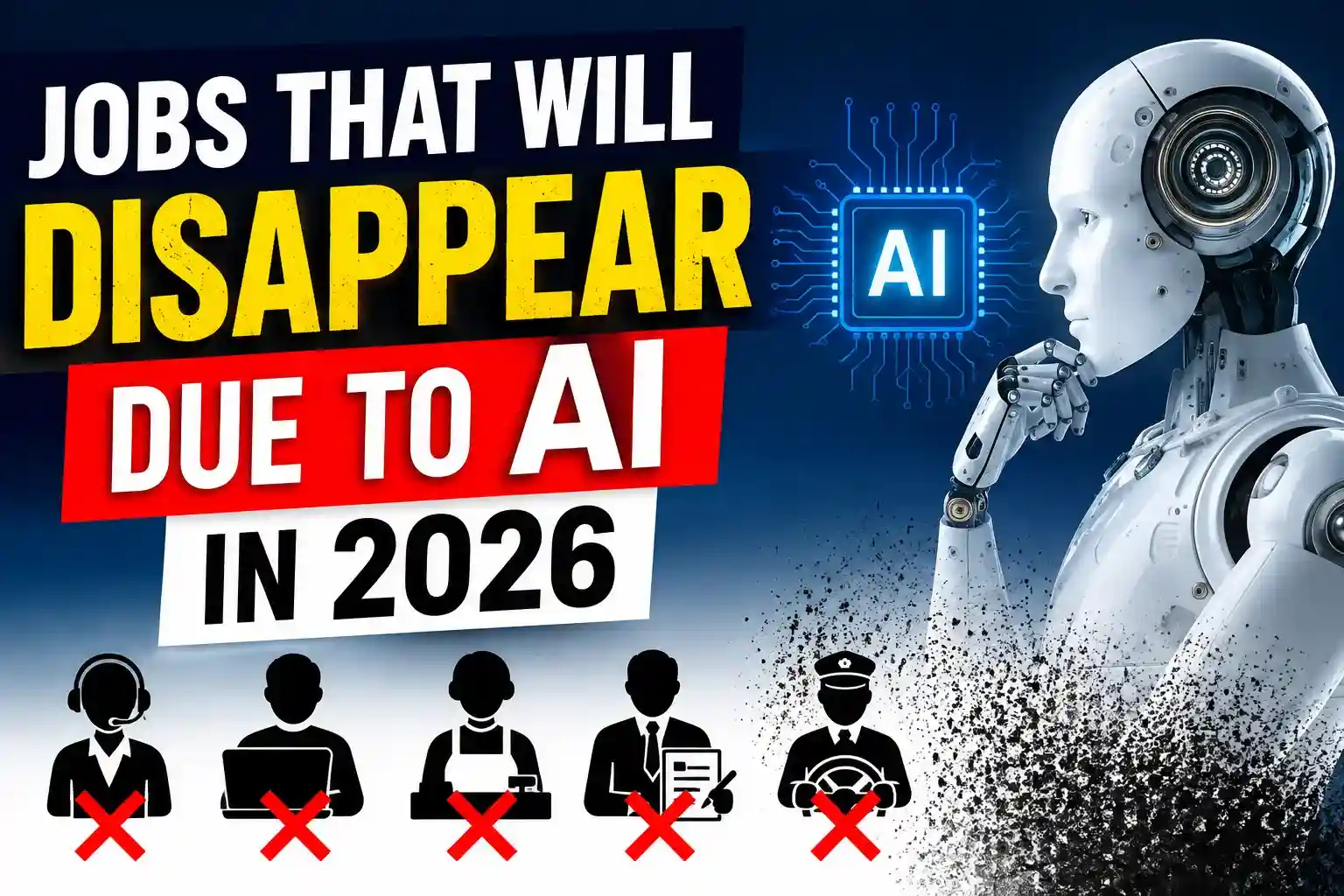
Is AI Replacing Jobs?
The short answer is yes—but only some jobs and some tasks.
AI is particularly effective at handling work that is:
- Repetitive
- Rule-based
- Data-driven
- Predictable
- Administrative
However, jobs involving human interaction, leadership, creativity, emotional intelligence, skilled trades, and complex decision-making remain much harder to automate.
The future of work is more likely to involve people working with AI rather than being completely replaced by it.
1. Data Entry Clerks
Data entry has long been one of the easiest jobs for automation.
Modern AI systems can:
- Read documents
- Extract information
- Organize spreadsheets
- Process invoices
- Update databases
Many businesses now use intelligent software instead of hiring large data entry teams.
Skills to Learn Instead
- Microsoft Excel (Advanced)
- Data Analysis
- Power BI
- SQL
- AI-assisted reporting
2. Telemarketing Executives
AI voice assistants and automated calling systems are becoming more sophisticated.
Many companies now use AI to:
- Answer common questions
- Schedule appointments
- Qualify leads
- Conduct follow-up calls
Human sales professionals are still valuable for complex negotiations and relationship building, but routine telemarketing roles are shrinking.
3. Basic Customer Support Agents
AI chatbots now provide 24/7 customer support.
They can:
- Track orders
- Reset passwords
- Answer FAQs
- Process refunds
- Resolve common issues
Human agents remain essential for complicated cases requiring empathy, judgment, or escalation.
Future Opportunity
Instead of basic support, consider specializing in:
- Customer Success
- Technical Support
- Client Relationship Management
4. Cashiers
Self-checkout systems, mobile payments, and AI-powered retail technology continue to reduce the need for traditional cashier roles.
Many supermarkets and retail stores are investing in:
- Automated checkout
- Smart shopping carts
- Contactless payments
- Digital receipts
While cashiers won’t disappear overnight, demand may gradually decline.
5. Bank Tellers
Online banking, mobile apps, AI-powered financial assistants, and automated kiosks are changing banking services.
Customers increasingly perform routine tasks without visiting a branch.
Banks continue hiring professionals for advisory, relationship management, compliance, and financial planning roles.
6. Receptionists (Basic Administrative Roles)
AI scheduling tools can now:
- Book appointments
- Answer phone calls
- Respond to emails
- Manage calendars
- Route visitors
Receptionists who also handle administration, customer relations, event coordination, or office management are likely to remain more valuable.
7. Basic Bookkeeping
AI accounting software automates many routine financial tasks.
Examples include:
- Invoice processing
- Expense categorization
- Tax calculations
- Bank reconciliation
- Financial reporting
Accountants who provide strategic advice, auditing, tax planning, or financial analysis remain in demand.
8. Basic Content Writers
AI writing tools can quickly produce:
- Product descriptions
- Basic blog outlines
- Social media captions
- Marketing copy
- Email drafts
However, businesses still need skilled writers who can:
- Conduct research
- Build brand voice
- Verify facts
- Create original content
- Develop content strategies
Writers who learn to use AI as a productivity tool—not a replacement—are likely to stay competitive.
9. Travel Booking Agents
Many travelers now use online platforms to:
- Book flights
- Reserve hotels
- Compare prices
- Plan itineraries
Travel consultants who specialize in luxury travel, corporate travel, or complex itineraries continue to provide value.
10. Warehouse Inventory Clerks
Modern warehouses increasingly use:
- AI inventory systems
- Barcode automation
- Robotics
- Smart scanners
- Predictive inventory management
Workers with skills in warehouse technology, logistics coordination, and supply chain management will have stronger long-term prospects.
Jobs That Are Less Likely to Be Replaced by AI
Some careers rely heavily on human judgment, creativity, physical skills, or emotional intelligence.
Examples include:
Healthcare Professionals
- Doctors
- Nurses
- Physiotherapists
- Medical specialists
These roles require clinical expertise, patient interaction, and decision-making.
Skilled Trades
- Electricians
- Plumbers
- HVAC technicians
- Carpenters
- Welders
Hands-on work in changing environments remains difficult to automate.
Teachers and Trainers
Education involves communication, motivation, and adapting to individual learning needs.
AI can assist teachers but is unlikely to replace them entirely.
Managers and Team Leaders
Leadership includes:
- Decision-making
- Coaching
- Conflict resolution
- Strategy
- Performance management
These responsibilities depend heavily on human judgment.
Creative Professionals
Examples include:
- Graphic Designers
- Video Editors
- UX Designers
- Brand Strategists
- Creative Directors
AI can support creative work, but original ideas, storytelling, and brand identity still require human creativity.
Software Engineers
AI can generate code, but software engineers are still needed to:
- Design systems
- Solve complex problems
- Review code
- Build secure applications
- Manage large-scale projects
Developers who understand AI tools may become even more productive.
How AI Is Changing Jobs in Dubai
Dubai is investing heavily in artificial intelligence, digital transformation, and smart city initiatives.
Many companies are adopting AI to improve:
- Customer service
- Logistics
- Healthcare
- Banking
- Government services
- Retail operations
Rather than eliminating all jobs, AI is changing the skills employers look for.
Professionals who combine industry expertise with digital skills are likely to have stronger career prospects.
Skills That Will Be in High Demand
To stay competitive, consider developing skills such as:
Artificial Intelligence Literacy
Understand how AI tools work and how they can improve productivity.
Data Analysis
Businesses increasingly rely on data to make decisions.
Learning Excel, Power BI, or SQL can improve employability.
Digital Marketing
Skills such as SEO, content marketing, paid advertising, and analytics continue to be valuable.
Cybersecurity
As businesses become more digital, protecting systems and data is increasingly important.
Cloud Computing
Knowledge of platforms like AWS, Microsoft Azure, or Google Cloud is in demand across industries.
Project Management
Professionals who can manage teams, budgets, and timelines remain valuable.
Communication Skills
Strong written and verbal communication continues to be a key advantage.
Problem-Solving
Employers value individuals who can think critically and solve complex business challenges.
How to Future-Proof Your Career
Instead of worrying about AI, focus on becoming someone who can work effectively with it.
Here are practical steps:
- Learn AI tools relevant to your industry.
- Continue upgrading your skills through online courses.
- Build a professional LinkedIn profile.
- Earn recognized certifications.
- Stay informed about industry trends.
- Develop leadership and communication skills.
- Practice continuous learning.
The most successful professionals will be those who adapt to technological change rather than resist it.
Final Thoughts
Artificial Intelligence is changing the workplace, but it is not the end of employment. The biggest risk is not AI itself—it’s failing to adapt.
Routine tasks will increasingly be automated, while new opportunities will emerge for professionals who embrace technology, continue learning, and build skills that complement AI.
Whether you’re a student, a fresher, or an experienced professional looking to work in Dubai, investing in continuous learning and developing both technical and human skills will help you stay competitive in the evolving job market.
Helpful Articles:
- Dubai CV Formate
- UAE Visit Visa Rules 2026
- How To Verify UAE Visa
- How To Switch Jobs In Dubai
- Walk In Interview Tips For UAE
Frequently Asked Questions
Realjobsindubai.com shares job listings from trusted sources but cannot fully guarantee their authenticity. The website is not involved in recruitment and never charges job seekers. Users are advised never to pay for jobs, as genuine employers do not ask for fees. Realjobsindubai.com is not responsible for fraud, loss, or misrepresentation by third parties.